




Vivo to Launch 'Vivo Pocket', Its First Handheld Gimbal Camera for Vloggers
Vivo is preparing to launch the Vivo Pocket, its first handheld gimbal camera with a rumored 200MP sensor to rival DJI Osmo Pocket. Read full details here.
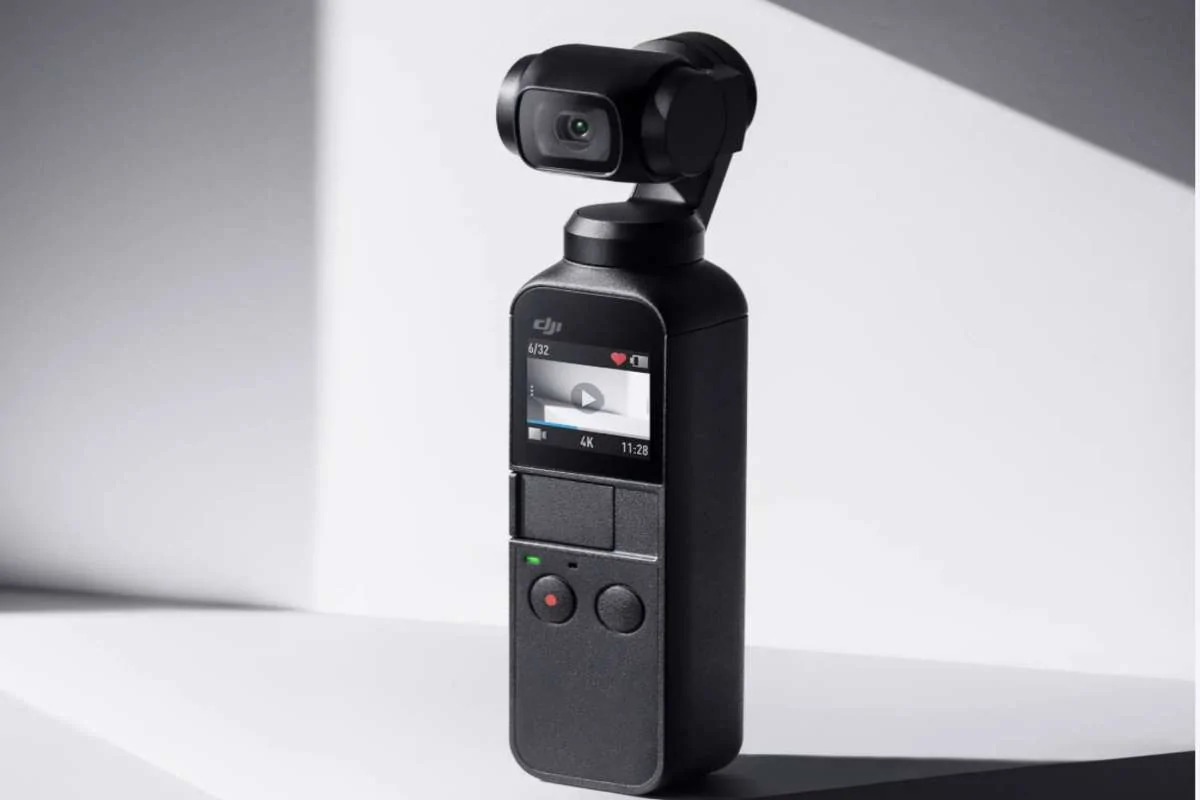
Chinese technology brand Vivo is officially preparing to launch the Vivo Pocket gimbal camera, marking the company's first dedicated handheld video device outside its smartphone lineup. A trademark filing at the United States Patent and Trademark Office (USPTO) confirms that Vivo Mobile Communication Co., Ltd. has registered the "Vivo Pocket" name for a new line of stabilized cameras and shooting accessories.
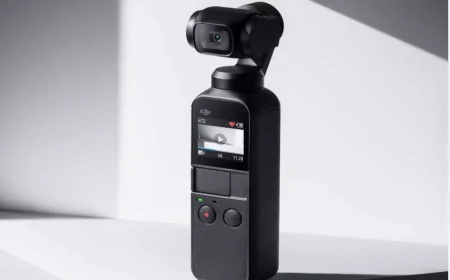
For years, Vivo has built a strong reputation in mobile photography with micro-gimbal stabilization and ZEISS-tuned optics. With the upcoming Vivo Pocket gimbal camera, the company is moving beyond smartphones to compete directly with portable vlogging leaders like the DJI Osmo Pocket series and Insta360.
What the USPTO Trademark Filing Reveals About Vivo Pocket
According to intellectual property records, Vivo submitted the trademark application for "Vivo Pocket" at the USPTO on September 22, 2026, under Class 9 of the Nice Classification system, which covers scientific, audiovisual, and information technology equipment. Rather than registering a single gadget, the filing outlines a complete hardware ecosystem built around portable video creation.
The official trademark documentation covers several core product categories:
- Core Imaging Hardware: Handheld gimbal cameras, digital cameras, cinematography cameras, and thermal imaging cameras.
- Stabilization & Tracking Gear: Motorized gimbals and intelligent mounts designed to track moving subjects automatically.
- Creator Accessories: Waterproof protective cases, remote shutter releases, selfie sticks, and monopods.
While tech companies often register broad categories to protect future product names, the inclusion of tracking mounts, waterproof housings, and remote shutters strongly indicates that Vivo wants to offer vloggers a complete, ready-to-shoot kit from day one.
Vivo Pocket Gimbal Camera: Expected Specifications and Features
Vivo first kicked off its internal vlog camera project in late 2025, assigning a team of more than 200 engineers to work on lightweight mechanical stabilization and AI-assisted video processing. The device is being developed under Vivo's in-house BlueImage photography division, which also teased a gimbal-shaped product silhouette during an official imaging showcase.
| Feature Category | Expected Vivo Pocket Specification |
|---|---|
| Product Name | Vivo Pocket |
| Device Type | Standalone 3-Axis Handheld Gimbal Camera |
| Rumored Camera Sensor | 200MP Sony LYT-901 (1/1.1-inch sensor size) |
| Imaging Engine | Custom Vivo BlueImage Processing Chip & ZEISS Color Science |
| Video & Photo Capabilities | 4K/60fps and 8K video recording, Live Photo, lossless digital crop |
| Estimated Weight | Under 200 grams (based on early prototype testing) |
| Target Competitors | DJI Osmo Pocket 4 Series, Insta360 Luna Series, Oppo Gimbal Camera |
| Expected Release Window | Late 2026 to Early 2027 |
Flagship 200MP Sony LYT-901 Sensor
The biggest highlight from supply-chain reports is the camera sensor inside the prototype. Vivo is reportedly testing the Vivo Pocket with a massive 1/1.1-inch 200MP Sony LYT-901 sensor—the same flagship-grade sensor technology used in Vivo's top-tier camera phones.
Most compact gimbal cameras on the market rely on lower-resolution 1-inch sensors. By using a 200MP sensor, Vivo can offer lossless in-sensor zoom, sharp digital cropping without quality loss, and detailed still photos alongside 4K and 8K video recording.
3-Axis Stabilization and BlueImage Processing
To keep handheld footage steady while walking or running, the camera is expected to pair a mechanical 3-axis gimbal with Vivo's proprietary BlueImage imaging chip. Reports also point to ZEISS-tuned color profiles, Live Photo support, AI subject tracking, and seamless wireless connectivity for instant file transfers to smartphones.
Why Smartphone Brands Are Entering the Gimbal Camera Market
For the past several years, DJI has dominated the pocket gimbal segment, capturing roughly half of the compact vlogging camera market in key Asian regions like Japan. However, demand for compact, creator-friendly cameras has grown rapidly among YouTubers, travel vloggers, and student content creators who want better stabilization and low-light video than a standard phone can deliver on its own.
Vivo is not the only smartphone maker stepping into this space:
- Oppo has developed its own Pocket-style handheld gimbal camera (reportedly codenamed Oppo Fuyao), which is expected to debut before the end of 2026.
- Honor recently introduced the "Robot Phone" in China for CNY 9,999, featuring a motorized 200MP gimbal camera attached directly to the handset.
- Insta360 is also expanding its handheld lineup with the modular Luna series to challenge the DJI Osmo Pocket 4 family.
Because smartphone companies already invest heavily in computational photography, night-mode algorithms, and skin-tone tuning, putting those mobile imaging pipelines into a dedicated pocket gimbal gives them an immediate advantage.
Expected Launch Timeline and Upcoming Vivo Releases
Although Vivo has already begun testing prototypes, industry reports suggest that the Vivo Pocket gimbal camera will officially launch between late 2026 and early 2027. While Oppo's rival gimbal may arrive slightly earlier at the end of this year, Vivo is reportedly taking extra time to fine-tune its 200MP sensor hardware and creator accessories.
In the meantime, Vivo is gearing up for the global rollout of its flagship Vivo X500 series—comprising the Vivo X500, Vivo X500 Pro, and Vivo X500 Pro Max 5G—featuring ZEISS co-engineered cameras. Following its debut in China, the X500 lineup is expected to launch in neighboring markets like India around late November or early December, potentially setting the stage for more announcements from Vivo's growing imaging ecosystem.
What This Means for Content Creators
For vloggers, students, and everyday video creators in Bangladesh and around the world, Vivo's entry into the handheld gimbal market is welcome news. Increased competition between DJI, Insta360, Vivo, and Oppo means creators can look forward to better camera sensors, smarter AI tracking, and more competitive pricing in the compact vlogging camera segment over the coming months.